

Sapphire
The name “sapphire” can also apply to any corundum that’s not ruby red, another corundum variety.
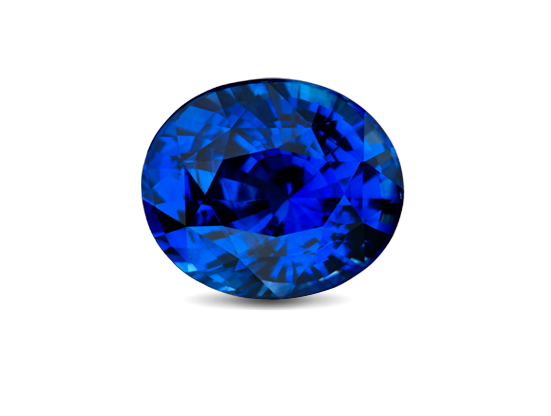
OVERVIEW
ABOUT SAPPHIRE
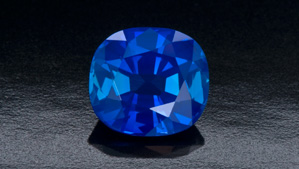
Besides blue sapphire and ruby, the corundum family also includes so-called “fancy sapphires.” They come in violet, green, yellow, orange, pink, purple, and intermediate hues. Some stones exhibit the phenomenon known as color change, most often going from blue in daylight or fluorescent lighting to purple under incandescent light. Sapphires can even be gray, black, or brown.
BIRTHSTONES & ANNIVERSARIES
Sapphire is the birthstone for September and the gem of the 5th and 45th anniversaries.
KASHMIR
Intensely saturated and velvety, rare sapphires from Kashmir set the standard for blue.
ROYAL BLUE
The world’s most famous engagement ring: Kate Middleton’s and Princess Diana’s sapphire.
PADPARADSCHA
A rare and valuable pinkish-orange sapphire named from the Sinhalese for lotus blossom.
FACTS
Mineral: Corundum
Chemistry: Al₂O₃
Color: Every color but red
Refractive index: 1.762 to 1.770
Birefringence: 0.008 to 0.010
Specific gravity: 4.00
Mohs Hardness: 9
TREATMENTS
There are a number of processes used to alter the color, apparent clarity, or improve the durability of gems.
SYNTHETICS
Some gemstones have synthetic counterparts that have essentially the same chemical, physical, and optical properties, but are grown by man in a laboratory.
IMITATIONS
Any gem can be imitated—sometimes by manmade materials or by natural materials chosen by man to impersonate a particular gem.
WHY WE LOVE THIS GEMSTONE

1
VIVID AND SATURATED
Sapphire’s blue can be vivid and saturated, like it’s lit from within.
2
DURABLE
It’s so durable, synthetic sapphire is used for the windows of supermarket scanners and spacecraft.
3
DELICATE SILK
Sapphire often contains delicate intersecting needles of rutile that gemologists call silk.
QUALITY FACTORS
Each color of sapphire has its own quality variations.
COLOR
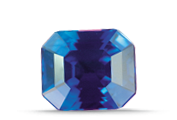
Sapphires come in a variety of colors. Preferred sapphires have strong to vivid color saturation, regardless of hue.
CLARITY
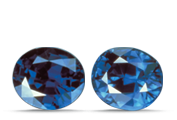
Blue sapphires typically have some inclusions, but they generally have better clarity than rubies.
CUT

Sapphire is often cut with a brilliant pattern on the crown and a step cut pattern on the pavilion.
CARAT WEIGHT
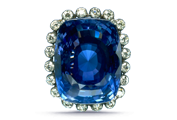
Blue sapphires range in size, and large blue sapphires are more readily available than large rubies.
SAPPHIRE QUALITY FACTORS: THE COMPREHENSIVE GUIDE
RESEARCH
Explore sources, gemological research, and the role of gems in history
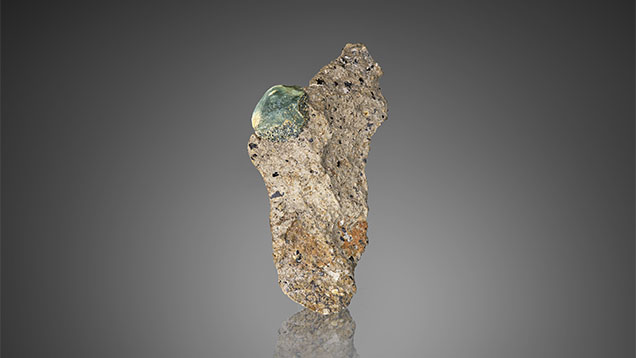
Robert E. Kane, Kory L. Pettman, Aaron C. Palke, Rachelle B. Turnier, Richard B. Berg, Nathan D. Renfro, and Christopher P. Smith, Gems & Gemology, Winter 2025, Vol. 61, No. 4
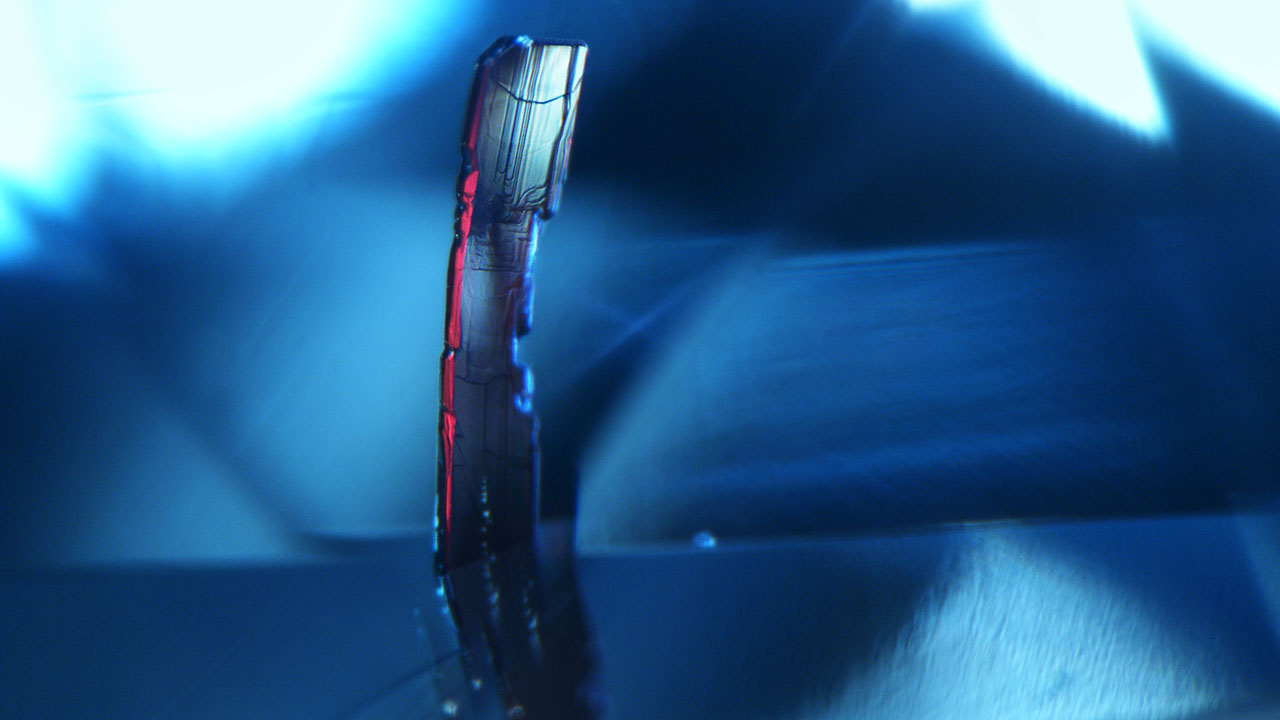
Axle Estrella, and Joseph Hukins, Gems & Gemology, Winter 2025, Vol. 61, No. 4
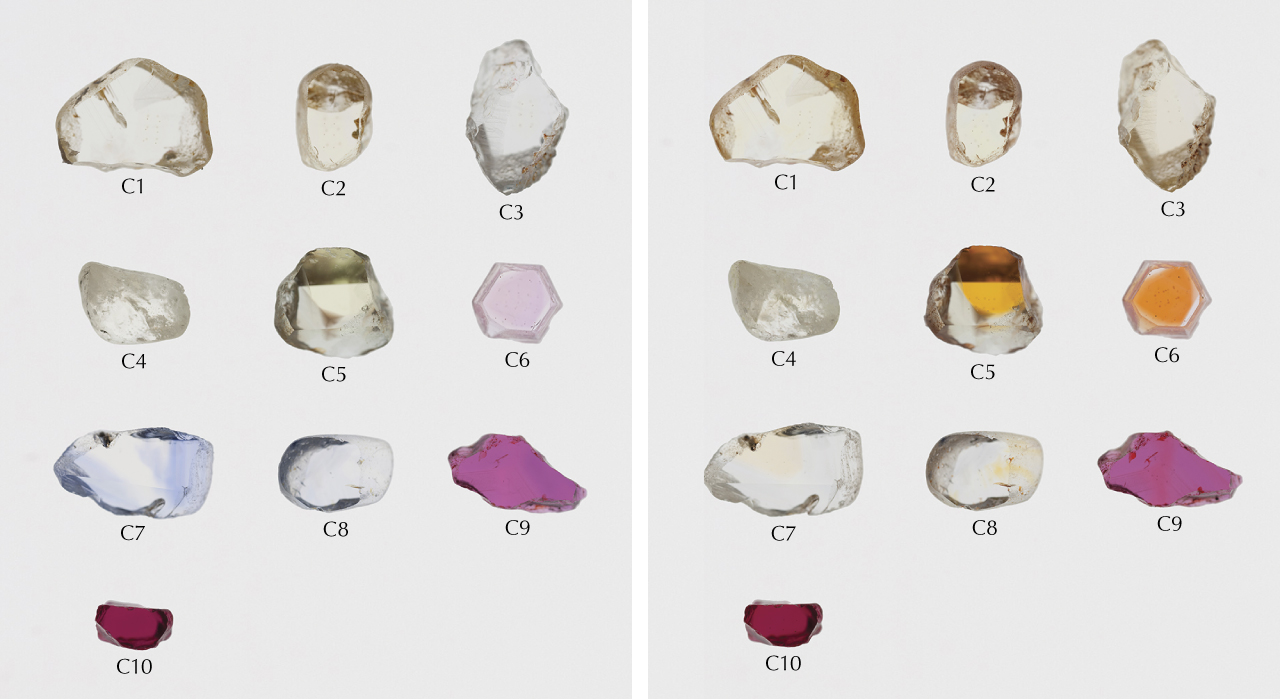
Wasura Soonthorntantikul, Aaron C. Palke, Gems & Gemology, Fall 2025, Vol. 61, No. 3
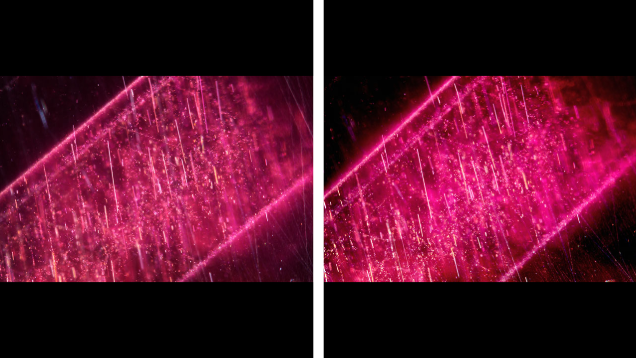
Wasura Soonthorntantikul, Aaron C. Palke, Spring 2025, Vol. 61, No. 1
RECOMMENDED READING
The Book of Ruby and Sapphire
J. F. Halford-Walkins
Ruby & Sapphire
Richard Hughes
.png "reading")
Sapphires in the Butte-Deer Lodge area, Montana
Richard B. Berg


